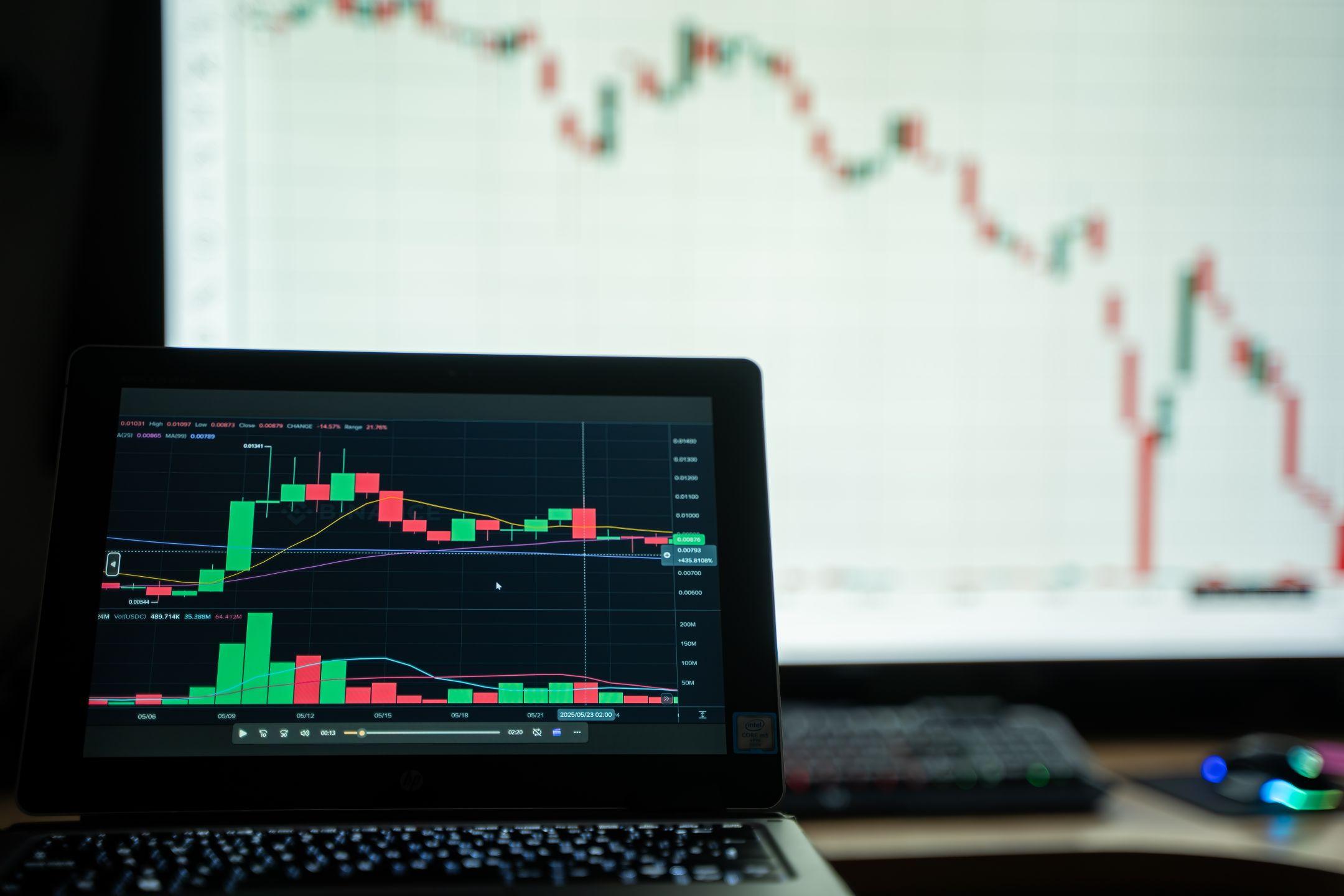
The stock market doesn't always stop moving when the closing bell rings. While regular trading hours provide the primary window for buying and selling stocks, investors can also trade before the market opens and after it closes through sessions known as pre-market and after-hours trading.
These extended trading sessions give investors more flexibility to react to company announcements, economic data, and other market-moving events. However, they also come with unique risks that are important to understand before placing a trade.
In this guide, we'll explain how pre-market and after-hours trading work, why investors use them, and what to consider when trading outside regular market hours.
What Is Pre-Market Trading?
Pre-market trading takes place before the regular stock market session begins. In the United States, the standard trading session for major exchanges such as the New York Stock Exchange (NYSE) and Nasdaq runs from 9:30 a.m. to 4:00 p.m. Eastern Time.
Pre-market trading allows investors to buy and sell stocks before that session begins. Depending on the brokerage and trading platform, access may start as early as 8:00 a.m. Eastern Time, although many platforms offer a shorter window.
Investors often use pre-market trading to respond to developments that occur overnight or before the opening bell. These may include corporate earnings reports, changes in analyst ratings, economic indicators, or international market movements.
For example, if a company announces stronger-than-expected earnings before the market opens, its stock may rise during pre-market trading as investors react to the news.
However, pre-market prices don't necessarily predict where a stock will trade once regular market hours begin. Prices can change quickly as more participants enter the market and trading activity increases.
What Is After-Hours Trading?
After-hours trading takes place after the regular stock market session closes at 4:00 p.m. Eastern Time.
Like pre-market trading, after-hours trading allows investors to react to important developments outside standard market hours. Many companies release quarterly earnings reports after the closing bell, making this session particularly relevant for investors following corporate results.
For example, if a company reports earnings that exceed market expectations after the close, its stock may rise during after-hours trading. Conversely, disappointing results or an unfavorable business outlook may cause its price to fall.
After-hours trading typically runs until 6:00 p.m. Eastern Time on many U.S. trading platforms, although availability varies by broker and security.
It's important to remember that after-hours price movements can be volatile. A stock's price during this session may differ significantly from its closing price and may change again before the next regular session begins.
Pre-Market vs. After-Hours Trading
Although both sessions fall outside regular market hours, they differ in timing and the types of events that often influence them.
Pre-Market Trading: May begin at 8:00 a.m. ET
After-Hours Trading: Starts after 4:00 p.m. ET, may continue until 6:00 p.m. ET
Pre-Market impacts: Overnight news, economic data, company announcements
After-hours impacts: Earnings reports, company announcements, breaking news
Both Pre-market and After-hours: High price volatility and Lower Liquidity
The exact hours available depend on the brokerage, trading platform, security, and applicable market rules.
Why Do Investors Trade Outside Regular Market Hours?
Extended-hours trading can offer several advantages, particularly for investors who want to respond to news as it becomes available.
1. Reacting to Earnings Announcements
Many publicly traded companies release earnings reports before the market opens or after it closes. Extended-hours trading allows investors to respond to these announcements without waiting for the next regular session.
2. Responding to Breaking News
Unexpected developments, including mergers, regulatory decisions, product announcements, and changes in company leadership, can affect stock prices at any time. Extended-hours sessions provide an opportunity to react when trading is available.
3. Greater Scheduling Flexibility
Investors who cannot monitor the market during the standard trading day may find extended-hours sessions more convenient. However, the availability of trading opportunities doesn't eliminate the need to assess risk and execution conditions.
4. Adjusting Positions Before the Next Session
Some investors use extended-hours trading to adjust their portfolios in response to new information before the next regular session begins. Whether a trade is appropriate depends on the investor's strategy, objectives, and risk tolerance.
What Are the Risks of Extended-Hours Trading?
While pre-market and after-hours trading offer flexibility, they also introduce risks that may be less pronounced during regular market hours.
Lower Liquidity
Liquidity refers to how easily an asset can be bought or sold without significantly affecting its price.
During extended-hours sessions, fewer market participants may be active. This can make it harder to find a buyer or seller at a desired price, particularly for less actively traded stocks.
Wider Bid-Ask Spreads
The bid price is the highest price a buyer is currently willing to pay, while the ask price is the lowest price a seller is willing to accept. The difference between them is called the bid-ask spread.
During extended hours, spreads may widen because fewer buyers and sellers are available. As a result, a trade may execute at a less favorable price than it would during the regular session.
Increased Price Volatility
Stock prices can move sharply when trading activity is limited and new information enters the market. Even a relatively small order may have a greater effect on a stock's price than it would during regular trading hours.
These movements can reverse when the regular session opens and more investors begin trading.
Partial Fills or Unexecuted Orders
An order may not execute if there aren't enough buyers or sellers available at the specified price. It may also be filled only partially.
Investors should understand how their brokerage handles unfilled orders, partial executions, and orders that remain active across different trading sessions.
Different Order Rules and Restrictions
Not all brokers support the same extended-hours trading features. Some restrict eligible securities, order types, or the duration of orders. Certain platforms may also require limit orders during these sessions.
Investors should review their brokerage's rules before trading outside regular hours.
How Do Orders Work During Extended Hours?
Order execution can work differently during extended-hours sessions than during the regular market day.
A limit order specifies the maximum price a buyer is willing to pay or the minimum price a seller is willing to accept. This can help investors control the price at which they are willing to trade, although it doesn't guarantee execution.
For example, suppose a stock's last regular-session closing price was $50. After an earnings announcement, its after-hours ask price rises to $53.
An investor who places a buy limit order at $51 won't purchase the stock at $53. The order will execute only if an eligible seller is available at $51 or less under the applicable order rules.
This example illustrates how limit orders can help manage price risk, but investors should remember that an unexecuted order may mean missing a trading opportunity.
Is Extended-Hours Trading Right for You?
Pre-market and after-hours trading may appeal to investors who follow company news closely, need greater scheduling flexibility, or want to respond to developments outside regular market hours.
However, these sessions aren't necessarily suitable for everyone. Lower liquidity, wider bid-ask spreads, greater volatility, and order restrictions can make execution more challenging.
Before trading, consider your investment objectives, experience, risk tolerance, and understanding of how extended-hours orders work. For some investors, waiting until regular market hours may provide access to greater liquidity and more active price discovery.
Final Thoughts
Pre-market and after-hours trading extend the opportunities available to investors beyond the standard U.S. stock market session. These sessions can help investors respond to earnings announcements, breaking news, and other developments as they occur.
At the same time, trading outside regular hours requires careful attention to liquidity, price volatility, bid-ask spreads, and brokerage-specific rules.
Understanding how these sessions operate can help investors make more informed decisions about when and how to trade. As with any investment activity, having a clear strategy and understanding the risks are essential.